High-Carbon vs. Stainless Steel: How to Choose and Care for Your Uinta Knife
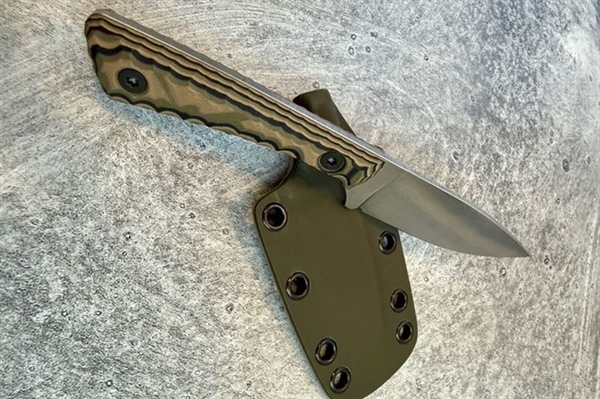
Choosing the right knife isn’t just about the shape of the blade or how it feels in your hand — it’s about the steel. The steel is the soul of the knife, dictating how long it stays sharp, how tough it is under pressure, and how much maintenance it requires.
At Uinta Knife Company, we construct our handmade tools using premium high-carbon and stainless steels (like AEB-L). If you are having trouble deciding which steel is right for your next hunting, cooking, or everyday carry knife, we have you covered. Here is everything you need to know to make the right choice, plus the essential care tips to ensure your tool lasts a lifetime.
The Purist’s Choice: High-Carbon Steel
High-carbon steel is the traditionalist’s dream. It is revered by bushcrafters, chefs, and outdoorsmen for two massive advantages: extreme toughness and incredible edge retention.
Carbon steel can take a wicked, razor-thin edge and hold it through heavy use. Even better, when it finally does dull, it is noticeably easier to sharpen in the field than most modern stainless steels.
The trade-off is maintenance. High-carbon steel has a lower chromium content, meaning it is susceptible to rust if put away wet. Over time, carbon steel will develop a "patina" — a natural, dark oxidation that forms when the blade interacts with acids in food (like onions or meat) or the environment. Many knife enthusiasts love a patina. It not only tells the story of every meal prepared and animal dressed, but this harmless gray/blue layer also protects the steel from destructive red rust.
The Low-Maintenance Workhorse: Stainless Steel
If you frequently hunt in wet, snowy, or coastal environments, or if you simply don’t want to worry about oiling your blade after every use, stainless steel is your best bet.
We frequently use AEB-L stainless steel, originally developed for razor blades. It is a phenomenal performer that completely shatters the old myth that "stainless steel is brittle."
AEB-L offers an incredible balance of corrosion resistance, edge stability, and toughness. For a dedicated cooking knife that will see a lot of sink time, or an elk hunter who might have to leave a bloody knife in its Kydex sheath until getting back to camp, stainless steel offers ultimate peace of mind.
How to Care for Your Uinta Knife
Whether you choose carbon or stainless, a Uinta knife is "built for life" — but it still needs a little love. Follow these simple care and maintenance steps to keep your blade in fighting shape:
-
Never Use the Dishwasher: The heat, harsh detergents, and rattling will destroy your edge and degrade your handle. Always hand-wash your knife with warm water and mild soap.
-
Dry Completely: Whether you’ve just washed it or wiped off rain in the field, thoroughly dry the blade before returning it to the sheath.
-
Oil Your Blade: For high-carbon blades, apply a light coat of oil to prevent rust. If you use your knife for food prep or field dressing, stick to food-safe oils like mineral oil or specialized knife wax.
-
Maintain the Edge: Don't wait for your knife to go completely dull. Regular stropping or light honing keeps the edge aligned and dramatically reduces the need for heavy sharpening sessions.
USA-Made Knives: Built for the Outdoors, Built for Life
Ready to find your perfect blade? Browse our collection of USA-made knives and discover the craftsmanship in our high-quality stainless steel and high-carbon steel blades. From hunting and EDC survivalist blades to perpetually used chef’s knives, every Uinta knife is thoughtfully designed with user experience in mind, marrying simple yet distinctive aesthetics with comfortable ergonomics and consistent cutting quality.