How to Safely Carry & Transport Your Hunting Knife
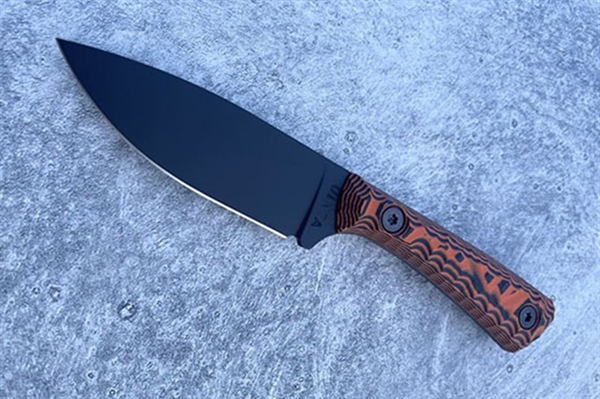
A razor-sharp hunting knife is an indispensable tool for dressing game, preparing camp, and handling survival situations. However, an exposed or improperly secured blade is a serious hazard. Your knife is only as safe as the methods you use to carry it.
Carrying a fixed-blade knife requires forethought. You need immediate access to your tool, but you also must ensure it stays securely stowed when climbing over deadfall, navigating steep terrain, or driving to your hunting grounds.
This guide will walk you through the best practices for safely carrying and transporting your hunting knife. We will cover the importance of high-quality sheaths, effective field carry methods, and the legal and safety considerations you must keep in mind when traveling.
The Foundation of Safe Carry: A Quality Sheath
The sheath is your first line of defense against accidental injury. A poor-quality sheath can allow the blade to poke through the material or fail to hold the knife securely, resulting in a lost or dangerous tool.
While traditional leather sheaths look classic, they can stretch out over time, losing their retention. They also absorb moisture, which can lead to rust on your blade.
This is why we equip Uinta Knife Co. fixed blades with custom-molded Kydex sheaths. Kydex offers superior, long-lasting retention. When you slide a Uinta knife into its sheath, you feel and hear a distinct "click." This positive lock lets you know the blade is firmly seated and will not shake loose, even if you are running or falling.
Furthermore, Kydex is impervious to weather, blood, and mud, ensuring your carry system remains safe and hygienic in all conditions.
Best Methods for Carrying Your Knife in the Field
How you carry your knife depends heavily on your activity level, your gear, and the size of the blade. Here are the most effective and safe ways to carry your fixed-blade knife outdoors.
Belt Carry
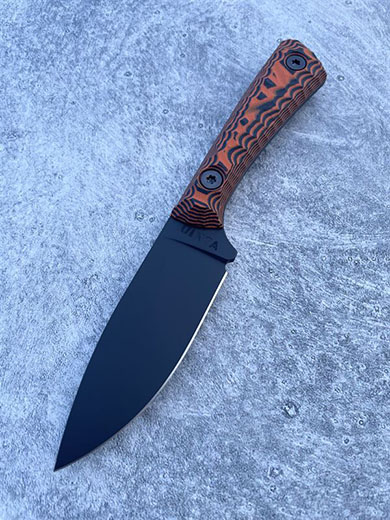
Belt carry is the most traditional and popular method for medium to large fixed blades, like the Uinta Hunter V2.
-
Strong-Side Carry: You position the knife on your dominant side, sitting straight up and down. This offers the most natural and ergonomic draw.
-
Cross-Draw: You place the knife on your non-dominant side, angled slightly forward. This is exceptionally useful if you spend a lot of time sitting, such as in a blind or on an ATV, as the knife does not dig into your hip.
-
Scout Carry: You mount the knife horizontally at the small of your back. This keeps the blade completely out of the way when moving through thick brush, though re-sheathing requires more care.
Pack Carry
If you are carrying a heavy hunting pack with a thick waist belt, a knife on your pants belt might cause painful chafing. In this case, attach your Kydex sheath directly to your pack's shoulder strap or the exterior MOLLE webbing. This keeps the knife highly accessible while moving the weight off your waist. Just remember to move the knife to your person if you drop your pack to track an animal.
Neck Carry
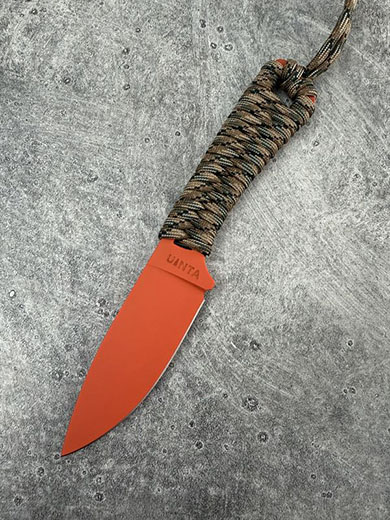
For compact, lightweight survival knives like the Uinta Lightweight, neck carry is an excellent option. You suspend the knife from a breakaway lanyard around your neck, resting the sheath flat against your chest under or over your jacket. This provides rapid, ambidextrous access to a smaller utility blade without cluttering your beltline. Always use a breakaway chain or cord to prevent a choking hazard if the lanyard snags on a branch.
Positioning for Accessibility & Safety
Proper positioning prevents your knife from becoming a snag hazard. You want your knife readily available, but it should not catch on vines, rifle slings, or your own clothing.
-
Mind your natural movement: Mount the knife where your arms and hands naturally fall, but keep it clear of the areas where your legs bend and lift.
-
Look before you sheath: The most common knife injuries happen when putting the knife away, not when taking it out. Never blindly shove a sharp fixed blade back into its sheath. Always look down, visually align the point of the blade with the opening of the sheath, and guide it in smoothly until you feel the retention click.
Transporting Your Knife in Vehicles & Across Borders
Safety rules change the moment you leave the woods and get into your truck. Transporting a hunting knife requires an understanding of basic safety and local laws.
Vehicle Safety
Never leave a fixed-blade knife loose on the dashboard, in the cup holder, or resting on a seat. In the event of hard braking or a collision, a loose knife becomes a deadly projectile. Always stow your knife inside a closed gear bag, a locked center console, or securely strapped inside your hunting pack in the bed or trunk of the vehicle.
Legal Considerations
Knife laws vary wildly between states, counties, and countries. What is perfectly legal to carry in your hometown might be a serious offense just across the state line.
-
Concealed vs. Open Carry: Many jurisdictions allow you to open-carry a fixed-blade hunting knife of any size, but strictly prohibit concealing it under a jacket or inside a vehicle cabin.
-
Blade Length Limits: Some states cap the legal length of a carried blade. Always verify the laws of your destination before you travel.
-
Crossing Borders: If you are traveling internationally for a hunt, you must declare your hunting knives at customs. Transport them safely, locked in your checked baggage. Never attempt to bring a hunting knife in your carry-on luggage when flying.
Keep Your Edge Secure
A high-quality hunting knife is a trusted partner in the wild. By utilizing a secure Kydex sheath, choosing the right carry position for your environment, and respecting transport laws, you ensure your knife is always ready when you need it and safely stowed when you do not.
Take the time to evaluate your current carry setup before your next trip. If you need a knife that prioritizes both field performance and secure transport, explore the Uinta Knife Co. collection to find a blade built for the demands of the modern hunter.